

















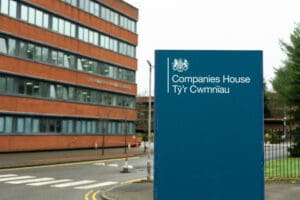

New anti-fraud rules introduced at Companies House have led to a sharp drop in the number of new companies being registered in the UK, according to early data, as ministers claim the reforms are beginning to bite.
Weekly incorporations have fallen by around 30 per cent since November, when legislation came into force requiring all new company directors and people with significant control to verify their identity. Acting as a director without verification is now a criminal offence.
Figures show that registrations fell from 18,199 in the final week before the rules were introduced to fewer than 13,000 in each of the five weeks leading up to Christmas.
The changes are part of a broader overhaul of the UK’s company registry aimed at preventing its long-standing misuse for fraud, money laundering and other financial crimes. Over the next year, the same verification requirements will be phased in for existing directors and beneficial owners.
Graham Barrow, a specialist in corporate filings and financial crime, described the fall as “pretty dramatic” and said it suggested the measures were having their intended deterrent effect. “I expected a significant drop, and 30 per cent is certainly that,” he said. “The level of company incorporations has included a lot of rubbish for far too long.”
Anthony Asindi, a senior associate at Ashurst, said the decline pointed to the scale of the problem the reforms were designed to address. “The sharp fall indicates how many sham companies and directors may previously have been entering the register unchecked,” he said.
However, experts warn that while the reforms appear to be curbing casual abuse of the system, they are far from eliminating fraud altogether. Barrow said there were already signs that bad actors were changing tactics, including an increase in the use of paid-for “proxy directors” who sell their verified identities to front companies on behalf of others.
An investigation by The Times last year uncovered networks of such proxy directors being paid to front failing companies so their true controllers could evade scrutiny. Three individuals involved were subsequently banned from acting as company directors.
Barrow also highlighted weaknesses in the system around address verification, arguing that fake or non-existent addresses remain easy to use. He pointed to examples in County Durham where dozens of directors were registered at implausible house numbers on ordinary residential streets.
“I’ve asked repeatedly why address verification hasn’t been included,” he said. “Simply checking whether an address exists would be a basic but important step.”
Under the new regime, registered agents such as solicitors, accountants and company formation firms can verify identities on behalf of clients. Barrow warned that this, too, could become a weak link if oversight is not tightened. “We have companies with unverified directors verifying the identities of others,” he said, adding that regulators were likely to take action against agents failing to carry out proper checks.
As of the end of September, the UK company register held around 5.5 million companies, more than half a million of which were in the process of dissolution or liquidation. While the government insists the reforms are a major step towards cleaning up the register, experts say further measures will be needed to stay ahead of increasingly sophisticated fraudsters.
Read more:
Anti-fraud crackdown triggers sharp fall in new company registrations